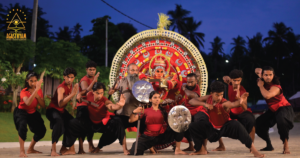
There are certain sounds that never leave us. The rhythm of feet striking the earth before sunrise. The sharp exhalation of breath during movement. The crack of wooden sticks meeting in perfect timing. The oil lamp glowing quietly inside a Kalari while the body bends, leaps, turns, and rises again.
For me, Kalaripayattu has never been merely a martial art. It is memory. It is emotion. It is identity. It is Kerala breathing through movement.
When we speak about sports in Kerala, we often celebrate football grounds filled with cheering crowds, boat races moving like waves of thunder, cricket matches in narrow village spaces, or the fierce determination of athletes rising from humble homes. Yet beneath all these sporting traditions lies an older pulse, something ancient and deeply human. That pulse is Kalarippayattu, the ancient martial tradition that shaped Kerala’s sporting culture long before modern stadiums and organized competitions emerged.
The Ancient Roots of Human Movement
Sport itself was born from survival. Human beings were never designed to remain still. We are descendants of hunters, gatherers, protectors, and explorers. For thousands of years, our ancestors survived because they could run, climb, wrestle, throw, and fight. Their bodies were their weapons, and instinct was their teacher.
Modern sport may appear different today, but the connection remains undeniable. Sprinting once meant chasing prey or escaping danger. Wrestling meant survival. Archery meant food and protection. Agility, balance, endurance, reflex, and strength were not recreational skills. They were essential for life itself.
Traditional martial arts in Kerala, especially Kalaripayattu, preserve this forgotten memory of humanity.
The Ancient Roots of Human Movement
Why Kalaripayattu Matters Today
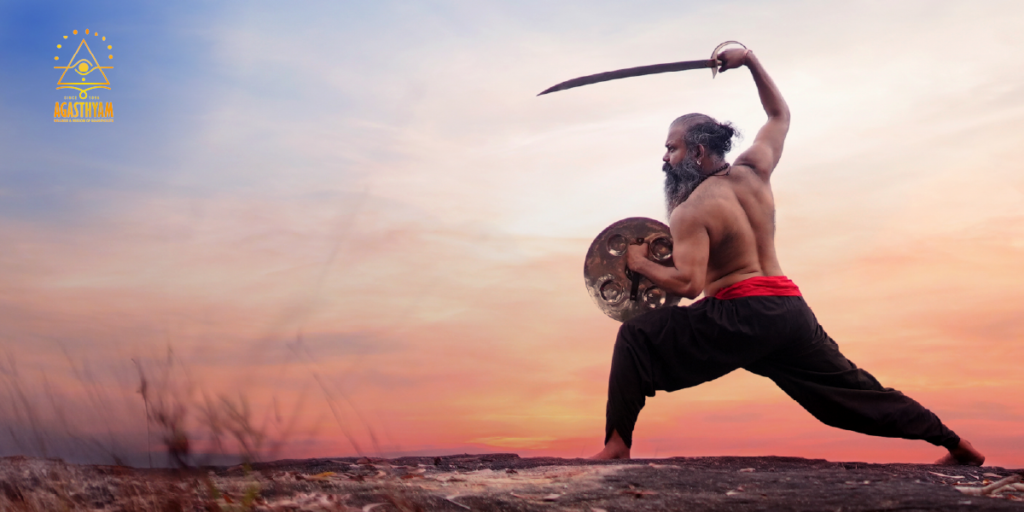
Today’s world is increasingly disconnected despite digital connectivity. Anxiety, stress, isolation, and emotional pressure affect people of all ages. In such times, ancient systems like Kalaripayattu become more relevant than ever.
I strongly believe Kalaripayattu is not merely a cultural heritage preserved for nostalgia. It is a healing discipline for modern life.
What makes Kalari extraordinary is that it trains the human being in totality. Through practice, the mind learns focus, the breath deepens, emotions become balanced, and the body develops strength without stiffness. The practitioner slowly discovers inner stillness amidst intense movement.
This is why many people today are seeking kalaripayattu training in Kerala not only for martial arts but also for holistic physical and mental transformation.
A Complete Physical Training System
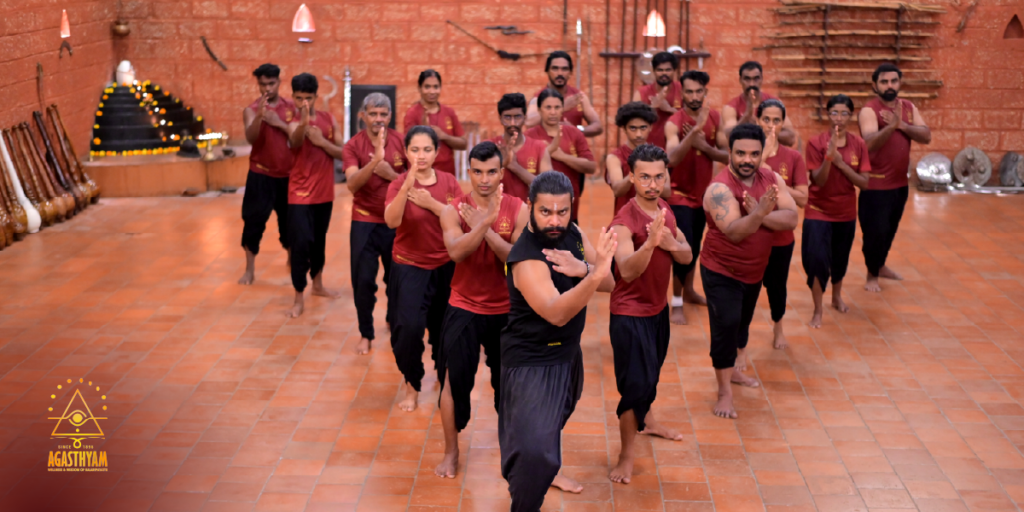
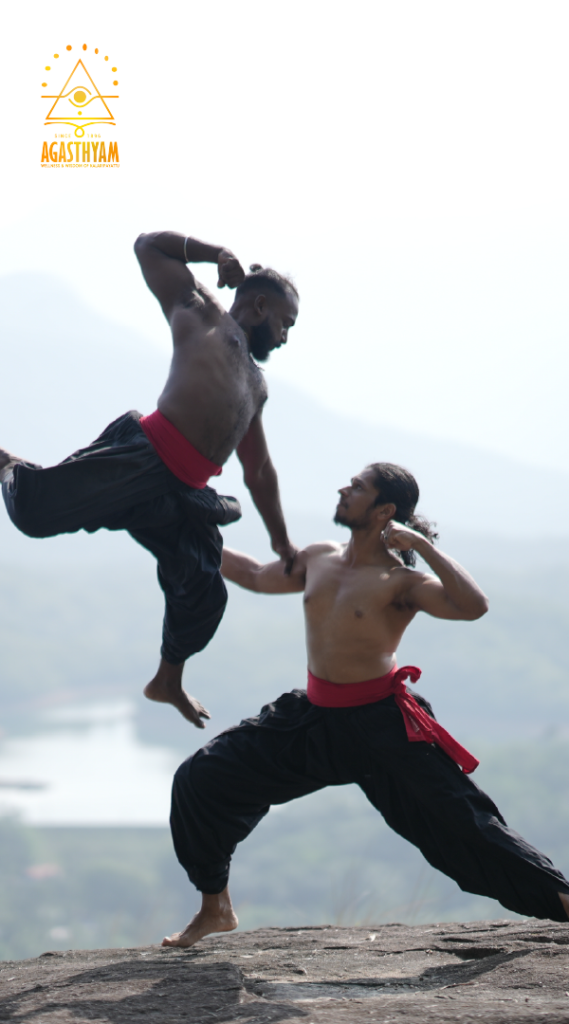
Kalaripayattu naturally develops flexibility, endurance, cardio fitness, agility, mobility, coordination, reflex, and explosive strength. Every movement sequence activates the entire body.
The leaps improve power. The low postures strengthen endurance. The flowing sequences increase mobility and flexibility. Weapon training sharpens concentration and reaction time.
Long before modern sports science introduced concepts such as functional fitness and mobility training, Kalari masters had already developed sophisticated systems through Meypayattu, the foundational body exercises of Kalarippayattu.
This is why many athletes, dancers, and fitness enthusiasts now recognize Kalaripayattu as one of the world’s most intelligent movement systems.
Kalaripayattu and Modern Athletic Development
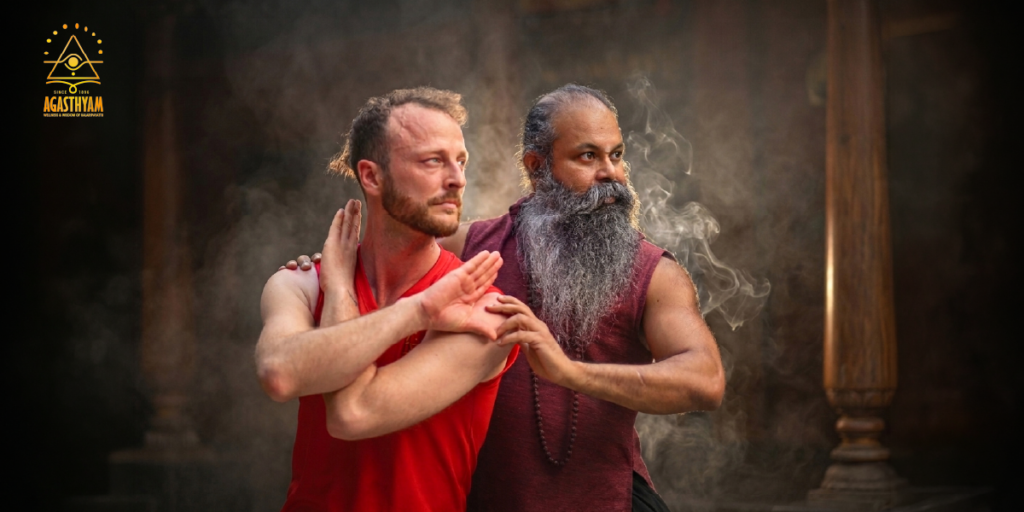
In many countries, gymnastics serves as foundational training because it develops balance, coordination, flexibility, and body awareness. I strongly believe Kalaripayattu can play a similar role in the future of sports education in India.
Kalari training benefits athletes across disciplines:
- Football players improve agility and reflex.
- Runners improve endurance and breath control.
- Martial artists improve timing and mobility.
- Dancers improve fluidity and balance.
- Children develop discipline and confidence naturally.
This is why conversations around sports education should seriously include Kalaripayattu as a foundational movement discipline.
Many students joining kalaripayattu classes today are discovering that Kalari improves not only physical fitness but also mental clarity and emotional resilience.
Kalaripayattu for Beginners and Children
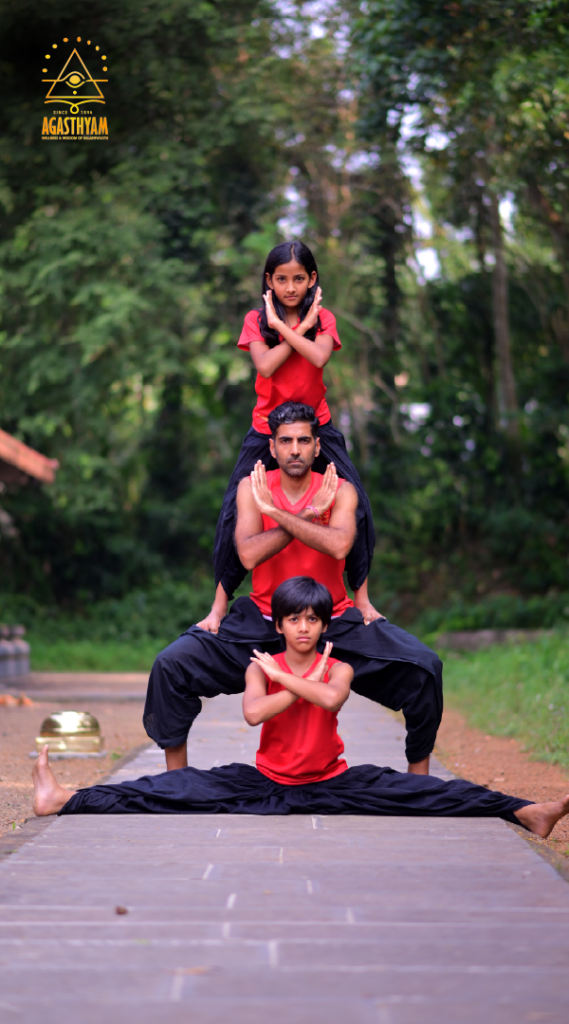
One of the most beautiful aspects of Kalari is its accessibility. Whether someone is an athlete or a complete beginner, the training adapts gradually to the practitioner’s level.
For children, Kalaripayattu develops discipline, focus, flexibility, courage, and emotional stability. I have personally observed how students become more grounded and confident through regular practice.
Today, many parents are actively searching for kalaripayattu for beginners because they recognize the value of traditional movement systems over sedentary lifestyles.
Kalari also creates a deep sense of community. Students train together, struggle together, and grow together. Respect develops naturally because martial training teaches humility through repetition and perseverance.
Women Empowerment Through Kalari
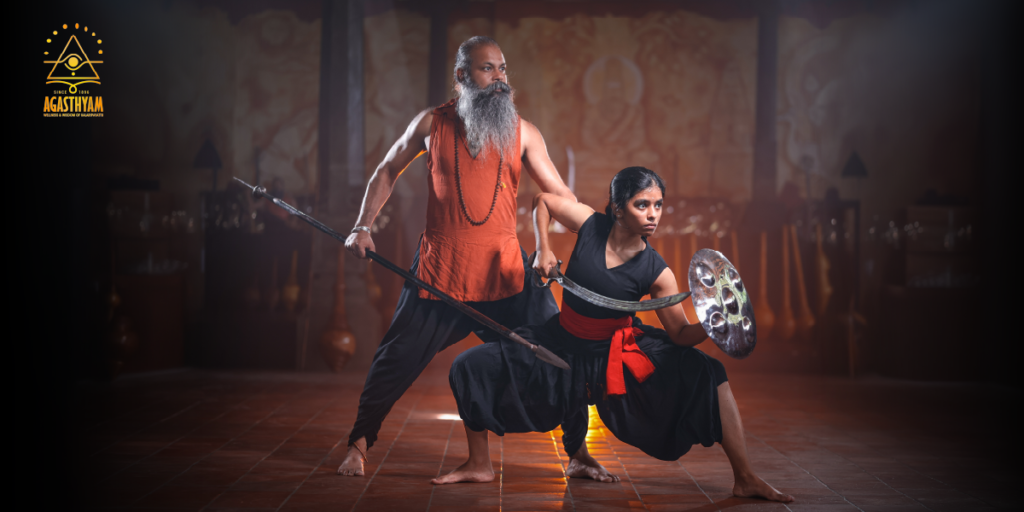
Historically, Kalarippayattu was never limited by gender. Women warriors such as Unniyarcha continue to inspire Kerala’s collective imagination.
Today, Kalari has become increasingly important in empowering women through physical confidence and awareness. Many institutions now offer specialized women self defense classes Kerala inspired by traditional Kalari techniques.
Watching young girls transform through martial training is deeply inspiring. Kalari teaches not only self-defense but also emotional strength, confidence, and self-respect.
The Rich Heritage of Kerala’s Martial Tradition
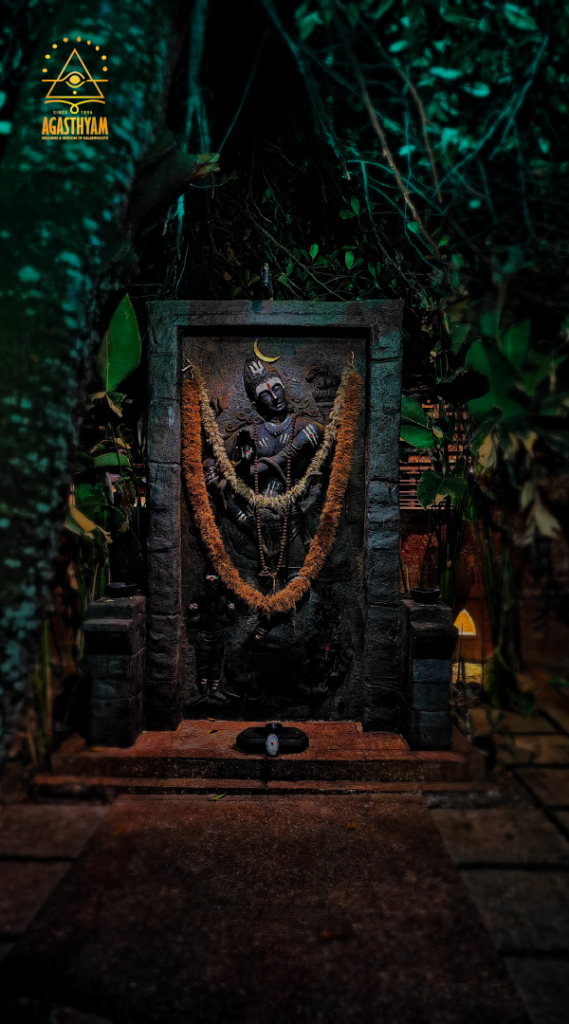
The origins of Kalarippayattu remain surrounded by mystery. Some legends connect it to Sage Parashurama and Dhanurveda, while historians trace its roots to ancient southern Indian warrior traditions.
Sangam literature contains references to Kalari, swords, shields, spears, and warrior culture. The Chera period further strengthened martial systems across Kerala, where combat training became an essential part of social structure and community life.
Foreign travelers such as Duarte Barbosa, Abd al Razzāq, and Afanasy Nikitin wrote about the extraordinary flexibility, discipline, and athleticism of Kerala’s warriors.
These accounts reveal that Kalarippayattu was recognized centuries ago as a highly advanced physical and combat training system.
Regional Styles and Athletic Sophistication
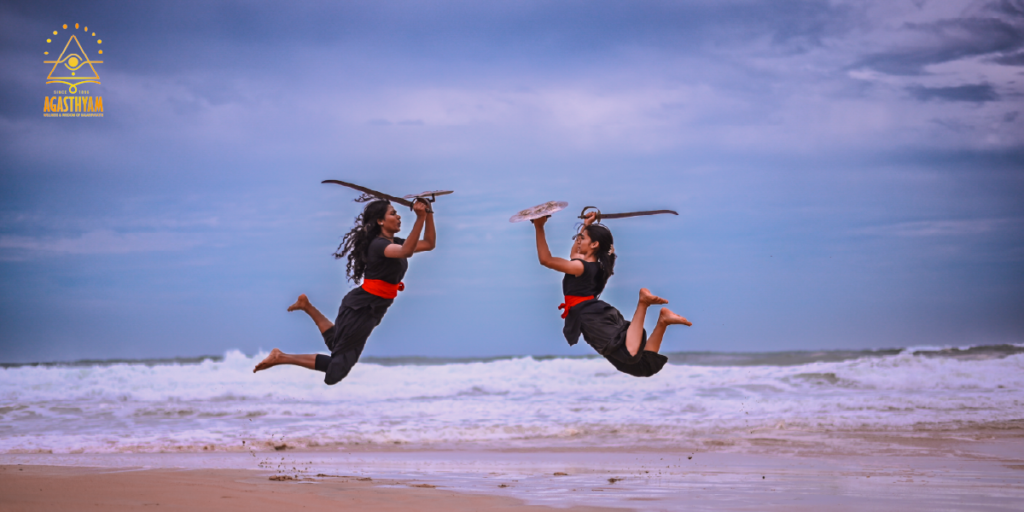
Kalaripayattu developed multiple regional styles across Kerala. The northern tradition, Vadakkan Kalari, became known for expansive movements, weapon training, and dynamic kicks. Southern traditions emphasized practical combat, pressure points, and internal discipline.
What fascinates me most is the extraordinary athletic sophistication hidden within these traditions.
The spine becomes flexible. The hips open. Reflexes sharpen. Breathing deepens. The practitioner develops fluidity rather than stiffness.
Today, as modern lifestyles disconnect people from natural movement, more individuals are turning toward kalaripayattu retreats in India and immersive martial arts experiences to reconnect with body awareness and discipline.
Kalari as Meditation and Healing
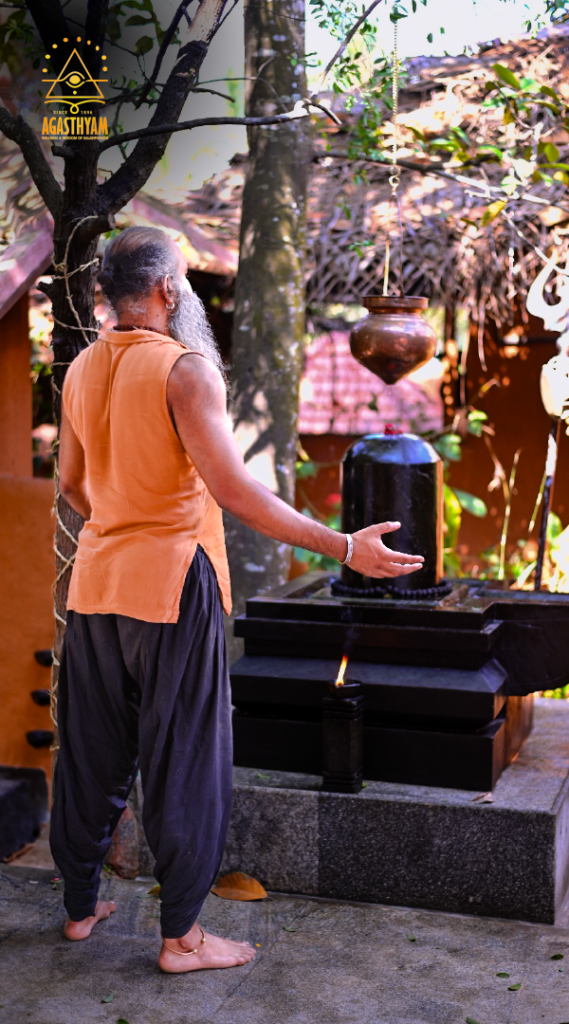
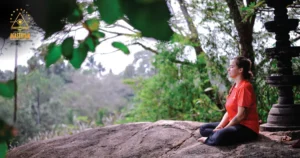
At its highest level, Kalarippayattu becomes a moving meditation.
Traditional Kalari systems never separated combat from healing. Martial practice existed alongside massage therapies, recovery systems, and knowledge of vital points.
This holistic understanding feels incredibly relevant today. Modern sports often push athletes toward performance without balance, leading to burnout and injury. Kalari reminds us that true strength includes recovery, awareness, and harmony.
Many modern practitioners now seek Kalari not only as martial training but also as a form of meditation and martial arts retreat experience that nurtures both body and mind.
Preserving the Spirit of Kalari
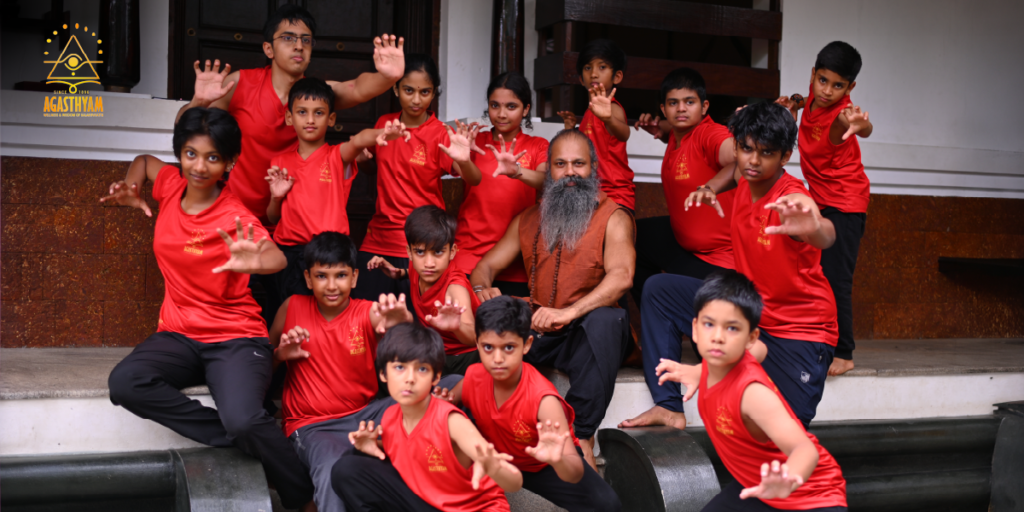
One of the darkest periods in Kerala’s martial history came during British colonial rule when many Kalaris were banned and dismantled. Yet the spirit of Kalari survived through Gurus who preserved the knowledge quietly across generations.
Today, Kalarippayattu is receiving renewed global recognition. Students from around the world travel to Kerala seeking authentic learning experiences.
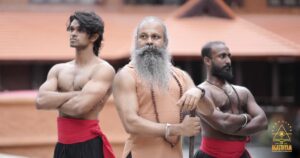
Institutions such as Agasthyam Kalaripayattu have played an important role in preserving the depth of this tradition while making it meaningful for modern practitioners.
Programs like kalaripayattu teacher training initiatives help students explore not only technique but also philosophy, movement science, healing wisdom, and discipline.
Similarly, specialized programs for self-defense, athlete conditioning, and cultural education continue to expand the relevance of Kalari globally.
For serious practitioners seeking authentic learning, choosing the best kalaripayattu school in Kerala becomes an important step in understanding the deeper dimensions of this martial art.
Kalarippayattu in the Modern World
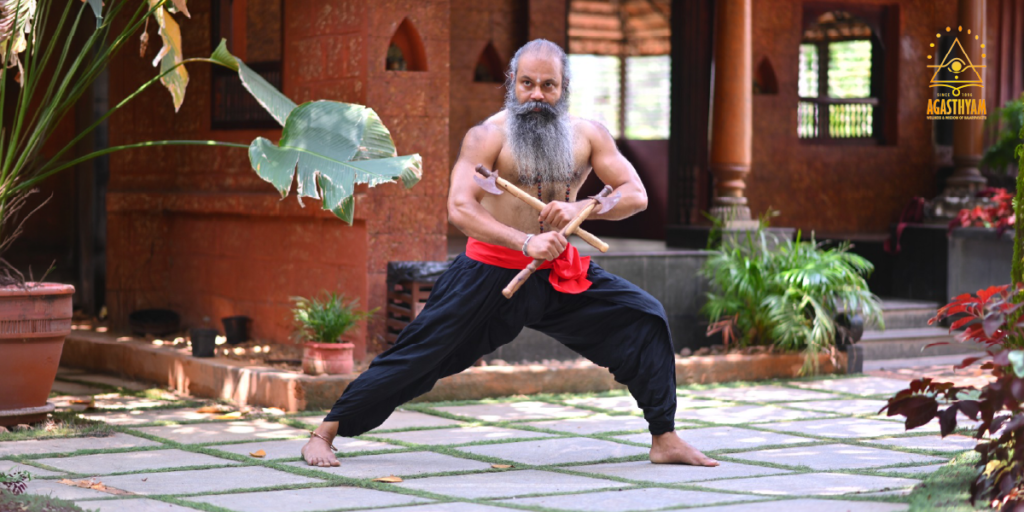
Today, Kalaripayattu is attracting athletes, dancers, therapists, fitness enthusiasts, and international practitioners who recognize its extraordinary value.
Many students now join online kalaripayattu classes to begin their journey before traveling to Kerala for immersive practice. Others enroll in intensive kalaripayattu courses in India to study the art more deeply.
In cities like Thiruvananthapuram, interest in authentic Kalari learning continues to grow, with increasing searches for kalaripayattu classes in Trivandrum among children, professionals, athletes, and wellness seekers.
This growing interest reflects something deeper than fitness trends. People are searching for systems that reconnect body, breath, discipline, and emotional balance.
More Than a Martial Art
Yet for me, the true essence of Kalarippayattu can never be understood through performance or tourism alone. It must be experienced.
One must step into the earth of the Kalari before sunrise. One must feel the silence before practice begins. One must understand the trembling legs after difficult training and the humility that comes from repetition.
Only then does Kalari slowly reveal itself.
Kerala’s sporting culture is not merely about medals or competition. It is about shaping human beings with courage, awareness, balance, and strength. Kalarippayattu embodies this philosophy completely.
In every leap, stance, weapon spin, and disciplined breath lives a message from our ancestors:
The human body is sacred. Movement is sacred. Discipline is sacred.
Courage is sacred. As modern life becomes increasingly mechanical, traditions like Kalarippayattu remind us what it means to feel fully alive.
Perhaps that is why Kalari still carries such power. It is not merely a sport. It is the memory of humanity. It is the warrior instinct of Kerala.
And as long as there is rhythm in the feet, breath in the body, and courage in the heart, the spirit of Kalari will continue rising from the red earth of Kerala for generations to come.