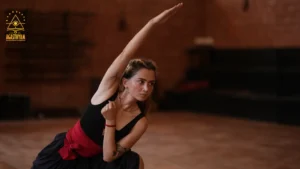
5:30 AM.
The day begins before the world outside is fully awake. The air is quiet. Residential students rise, prepare and step into another rhythm of life.
No traffic. No work. No screens. Only the rhythm of the Gurukulam.
At Agasthyam, residential Kalaripayattu in Kerala isn’t a programme where you attend training and return to a hotel. You live within the Guru’s environment, practise in a living Kalari and absorb the discipline of the tradition through everyday life.
That is what Gurukulam means. Live with the Guru. Learn from the Guru. Live the discipline.
A Traditional Kalari in Kerala Where the Tradition Lives
Agasthyam’s lineage traces its institutional identity to 1896, carried through five generations of hereditary Gurukkals.
But numbers can’t describe the atmosphere.
Residential students stay in the traditional home of Gurukkal S. Mahesh, where the Kalari, the family tradition and a spiritual atmosphere exist together. A Jeeva Samadhi within the grounds adds to the quiet, contemplative feel of the place.
This isn’t a newly built recreation of an ancient Gurukulam. It’s a space where the tradition has been lived, and still carries the memory of generations.
The surroundings are serene. The pace is different. And the experience begins to change the moment you slow down and observe.
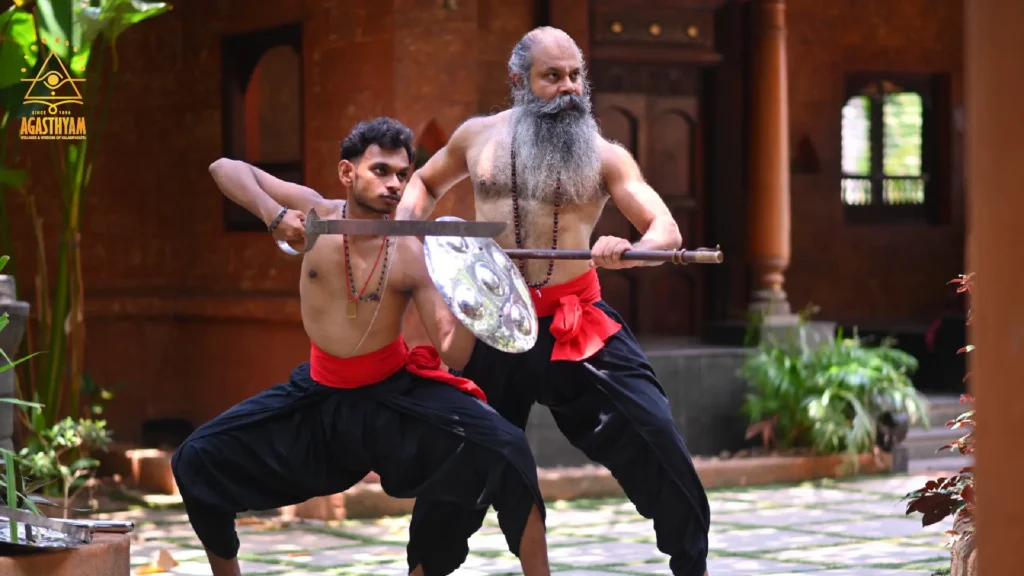
The Day at a Glance: Kalaripayattu Training Schedule
| Time | Activity |
|---|---|
| 5:30 AM | Wake up |
| 6:15 AM | Refreshment and preparation |
| 6:40 AM | Journey to the Kalari |
| 7:05 AM | Salutation |
| 7:15 AM | Sauranga |
| 7:35 AM | Meditation |
| 8:00 AM | Morning Kalari Sadhana |
| 9:40 AM | Return to the ashram |
| 10:00 AM | Breakfast |
| 11:00 AM | Mananam (reflection and learning) |
| 1:00 PM | Lunch and rest |
| 2:30 PM | Return to the Kalari |
| 3:00 PM | Afternoon Kalari Sadhana |
| 5:00 PM | Freshen up |
| 5:30 PM | Spiritual Seva |
| 6:30 PM | Return to the ashram |
| 7:00 PM | Dinner |
| Night | Lights out |
Morning in the Kalari Gurukulam
5:30 AM: Wake Up
The first lesson is simple. Rise.
The body may still carry yesterday’s practice. The mind may ask for more sleep. But this is exactly where discipline begins. Practice doesn’t wait for motivation.
You wake. You prepare. You show up.
6:15 AM: Refreshment and Preparation
A little time to refresh before the walk to the Kalari. The body is prepared. The mind is gathered. Sleep gives way to awareness, personal space to collective practice.
6:40 AM: The Journey to the Kalari
Students walk to the Kalari together. It seems like a small part of the schedule. It isn’t. In a Gurukulam, moving between spaces is part of the rhythm. You leave the personal world behind and enter the world of practice.
7:05 AM: Salutation
Before training, a moment of acknowledgement. Respect for the space. For the Guru. For the lineage. For the practice.
The Kalari is not a gym. It’s a space of discipline, and every session begins with that awareness.
7:15 AM: Sauranga
Sauranga, a traditional preparatory practice, awakens the body fully. Joints open. Muscles engage. Breath and body begin to work together.
Kalaripayattu demands far more than strength. It asks for mobility, balance, control, agility and awareness. The body must be ready before the warrior can ask more of it.
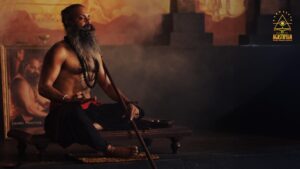
7:35 AM: Meditation
Then, stillness.
The body is awake. Now the mind is brought into focus. Agasthyam places body, breath and mind on the same journey, so physical practice is always paired with meditation and reflection.
Stillness is also training.
8:00 AM: Morning Kalari Sadhana
The main practice begins.
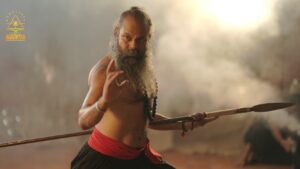
The residential curriculum progresses by level: foundational positions, movement, balance and conditioning first, then dynamic practice and weapon fundamentals.
For a beginner, the first challenge may be simply learning to stand. Where to place the feet. How to lower the body. How to move without losing balance. How to coordinate hands and legs.
For the experienced practitioner, the same Kalari asks for precision, speed, timing, control and power.
The lesson is the same: go deeper into the movement.
9:40 AM: Back to the Ashram
The morning session ends. The body is tired, but it’s the satisfying tiredness of having practised. The first chapter of the day is complete.
Midday: Nourish, Reflect, Return
10:00 AM: Breakfast
Food follows practice. In residential training, food isn’t separate from the discipline of the day. Students learn how training, nourishment and recovery work together.
Eat. Rest. Absorb. Prepare.
11:00 AM: Mananam
The late morning turns from the body to reflection. Mananam is dedicated time for learning and contemplation.
Because a Gurukulam isn’t only about what the body can perform. It’s about what the practitioner understands.
Why do we train? What is discipline? What is courage? What is awareness? What lies behind the movements?
Questions like these move practice beyond exercise. Kalaripayattu stops being a collection of techniques and becomes a discipline of living.
1:00 PM: Lunch
Half the day is done. Students eat and rest.
Outside, Kerala carries on with its ordinary rhythm. Inside, the rhythm stays different. Meditation, body preparation, Kalari Sadhana and reflection are already complete, and another session lies ahead.
2:30 PM: Return to the Kalari
The body now carries the weight of the morning. This is where discipline becomes real.
Morning practice can run on freshness. Afternoon practice asks for something deeper: consistency.
Afternoon and Evening: Practice, Seva, Stillness
3:00 PM: Afternoon Kalari Sadhana
The second major session. Repetition starts to build familiarity.
The morning’s movements return. The stance feels more natural. Transitions get smoother. The body begins to understand what the mind was trying to teach it.
As students progress through the residential phases, practice moves towards dynamic Kalaripayattu movements, combinations and introductory weapon work, according to level.
The principle never changes. Don’t rush. Practise. Receive correction. Practise again.
5:00 PM: Freshen Up
Training ends. The body is warm, the mind alert. Now comes recovery.
5:30 PM: Spiritual Seva
The day moves from martial practice to Seva, a core part of the Gurukulam experience.
A student doesn’t come only to receive knowledge. There’s also a responsibility to contribute and care for the place where you learn. Seva brings humility into discipline. Knowledge isn’t something to possess. It’s something to honour.
6:30 PM: Return to the Ashram
The light softens. The intensity of the Kalari gives way to the stillness of evening.
This is when the character of the place shows most. A traditional home. A living Kalari. A sacred atmosphere. The feeling of having spent a whole day inside a tradition, not just visiting it.
7:00 PM: Dinner
Dinner brings everyone together again. Conversations are simple. A movement is remembered. A correction finally makes sense. Something that felt impossible this morning has already begun to change.
This is also learning.
And Then: Lights Out
The Kalari rests. The students rest. The body begins to recover.
Tomorrow begins at 5:30 AM. The same discipline. The same Kalari. But not quite the same student.
Every day of sincere practice leaves something behind. A little more strength. A little more flexibility. A little more awareness. A little more understanding.
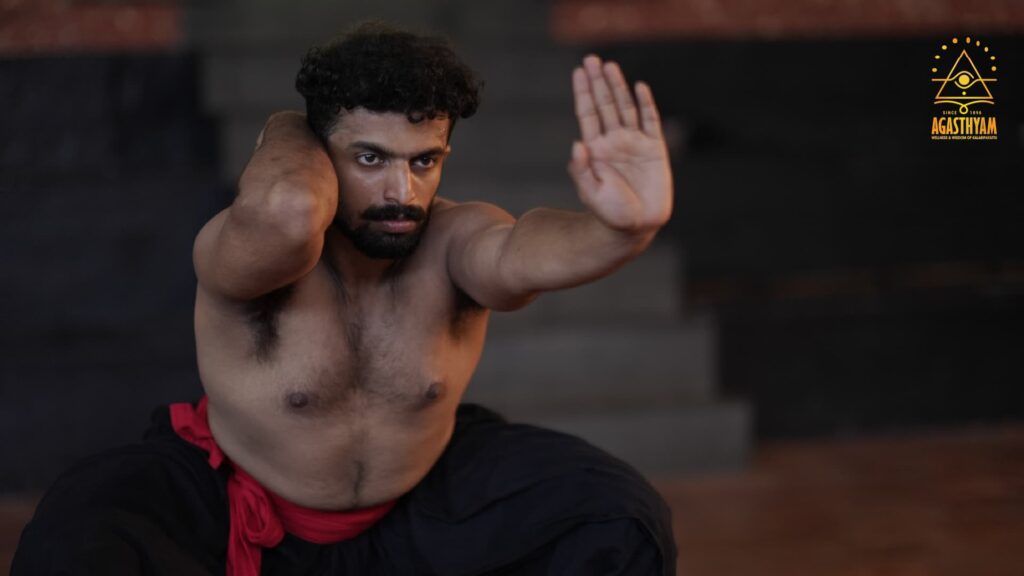
This Is Gurukulam
A timetable is only the outer structure. The real experience happens between the hours.
Living in the Guru’s environment. Staying close to the Kalari. Eating and resting in the same rhythm. Practising twice a day. Learning through repetition. Breathing in the atmosphere of a lineage that has continued for generations.
That’s the difference.
A residential course gives you a place to stay. A Gurukulam gives you a way to live and learn.
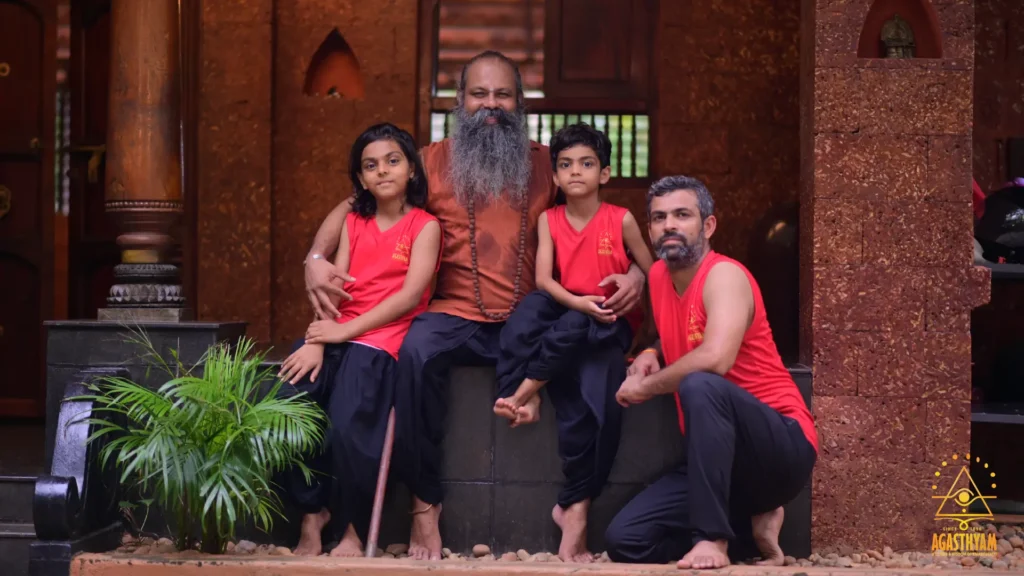
Living a 130-Year-Old Kalaripayattu Lineage
With roots going back to 1896, Agasthyam carries more than 130 years of continuous lineage and five generations of hereditary Gurukkals.
So the experience isn’t built around displaying an ancient tradition from the outside. You enter a place where the tradition has been part of family life. Where the Gurukkal’s home and Kalari share the same landscape. Where the spiritual and the martial were never separated.
You’re not visiting a Kalari. For a while, you live in one.
From Training to Transformation
The first few days are physically demanding. The body finds muscles it had forgotten. The legs grow stronger. Flexibility improves. The breath becomes conscious.
Then, as the days pass, it becomes less about difficulty and more about discipline.
You start waking before the alarm. You enter the Kalari with more awareness. You recognise your body’s rhythm. You understand why one movement must sometimes be repeated hundreds of times.
And slowly, the practice moves beyond the Kalari. That’s when Kalaripayattu becomes more than training.
A Day in the Kalari. A Journey Within.
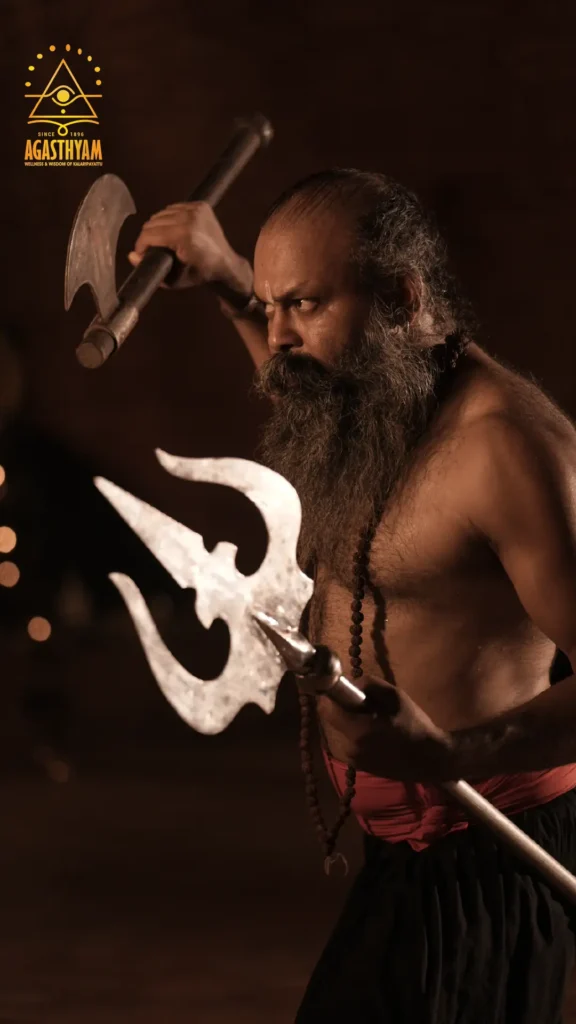
From 5:30 AM to lights out, the residential day at Agasthyam is built around practice, reflection, nourishment, recovery and Seva: a phase-based immersion with twice-daily Kalari practice inside a living Gurukulam.
But no timetable captures it. The morning beginning. The first step into the Kalari. The salutation. The breath. The sweat. The silence. The Guru’s correction. The meal after practice. The evening Seva. The quiet of the traditional home. The stillness of night.
Then, 5:30 AM. You begin again.
Live with the Guru. Train in the Kalari. Learn through practice. Grow through discipline. Live the tradition.
Whether you live in Kerala or plan to travel to Kerala from abroad, the Kalari is waiting.
FAQ
What is a Kalaripayattu Gurukulam?
A Kalaripayattu Gurukulam is a residential setting where students live with the Gurukkal, train in the Kalari and follow the daily discipline of the tradition, instead of attending classes and returning to a hotel.
What does a day of residential Kalaripayattu training look like?
At Agasthyam, the day starts at 5:30 AM with salutation, Sauranga, meditation and morning Kalari Sadhana. It continues with breakfast, Mananam, lunch, an afternoon Kalari session, Spiritual Seva and dinner.
How often do residential students train each day?
Students practise in the Kalari twice a day, a morning Kalari Sadhana from 8:00 AM and an afternoon session from 3:00 PM, alongside Sauranga and meditation.
Can beginners join residential Kalaripayattu in Kerala?
Yes. Training progresses by level, starting with foundational positions, balance and conditioning before moving to dynamic movements and weapon fundamentals.
Where is Agasthyam located?
Agasthyam Gurukulam is in Nemom, Thiruvananthapuram (Trivandrum), Kerala, in the traditional home of Gurukkal S. Mahesh.