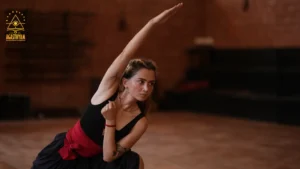
We live in a world where strength is often measured by how much weight we can lift.
We go to the gym, pick up a dumbbell, add more plates, count repetitions, and measure our progress by numbers. There is nothing wrong with that. But strength does not always come from lifting something heavy.
Sometimes strength comes from controlling your own body. This is one of the first things I understood through Kalaripayattu.
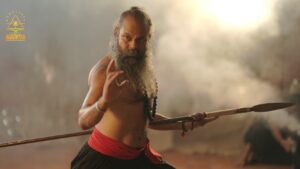
The human body itself can become the ultimate training equipment. When you practise this ancient martial art, you are constantly lifting, pushing, pulling, balancing, stabilising, stretching, accelerating, slowing down, and controlling your own body weight.
That is why, as a Kalari Gurukkal, I see this practice as a complete exercise system, not only as a martial art. In today’s sedentary lifestyle, this approach is becoming more important than ever.
1. Your Body Becomes the Resistance
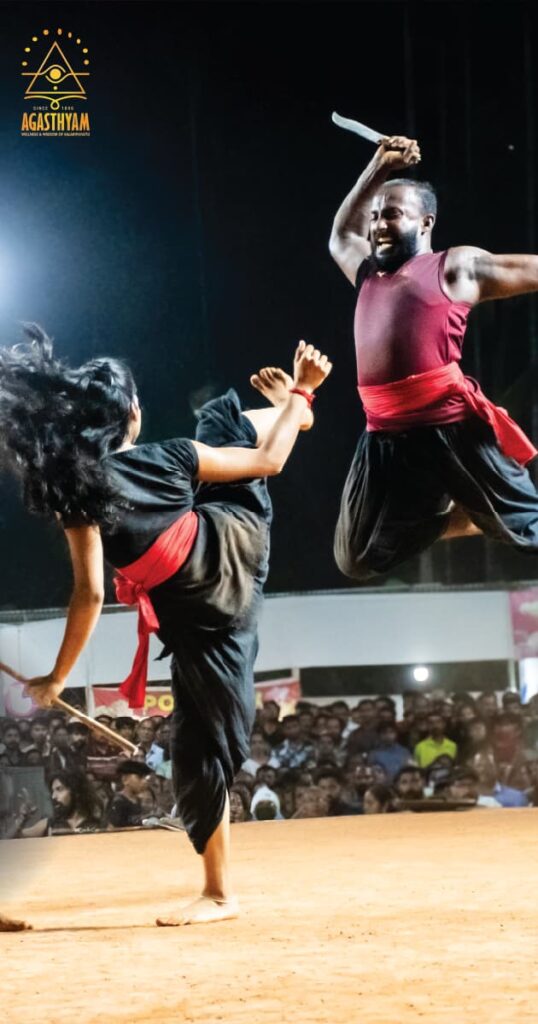
In traditional training, you do not need external weights to create resistance. Your own body provides it.
When you lower yourself into a deep stance, your legs work against gravity. When you move from one position to another, your body must stabilise itself. Chuvadu, squat movements, lunges, jumps, animal movements, and controlled transitions demand strength from the legs, hips, and core.
Instead of isolating one muscle, you are teaching the body to work as a connected system. Whether you join specialized kalaripayattu classes or start your journey with kalaripayattu for beginners, this system prepares your body for real-world movement rather than mere appearance.
2. Kalari Builds Functional Strength
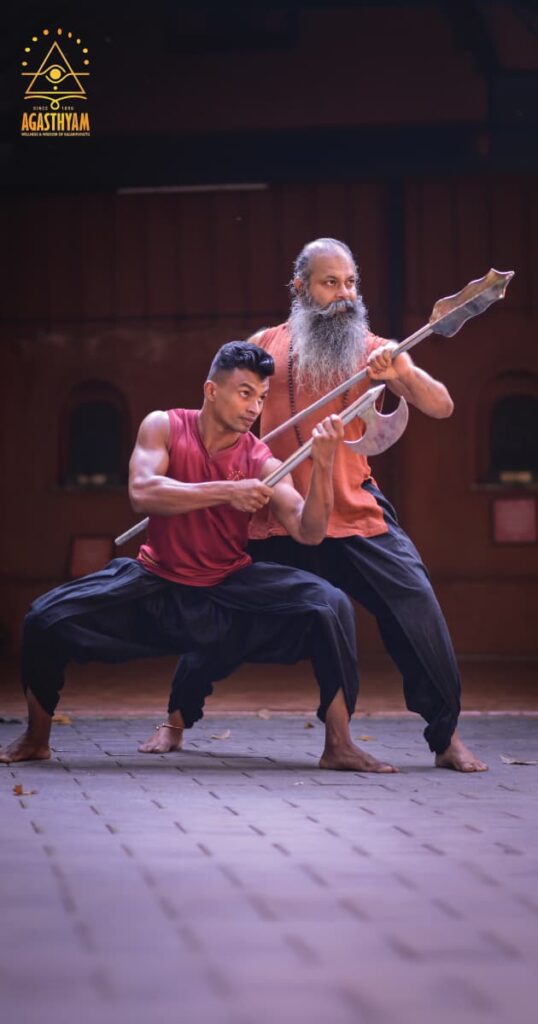
There is a difference between having strong muscles and having a strong body. A person may be able to lift a heavy weight in a gym yet have poor balance, limited mobility, or difficulty controlling their own posture.
Kalari training develops functional strength:
- Generating power while moving dynamically.
- Changing direction seamlessly under control.
- Stabilising and managing your centre of gravity.
- Producing force without losing balance.
Whether you are carrying groceries, climbing stairs, or participating in Kalari selfdefense training, your body needs coordination across multiple muscle groups, a connection that traditional martial arts Kerala heritage naturally fosters.
3. Flexibility Becomes Strength
Many people think flexibility and strength are opposites. They are not. A strong body that cannot move properly is limited, just as a flexible body without control is incomplete.
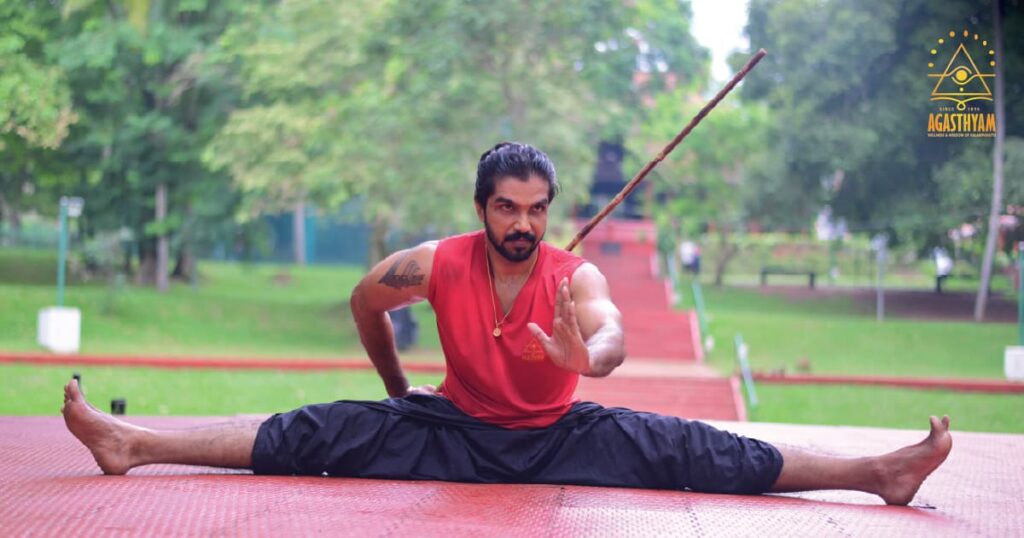
Traditional training works continuously between these two qualities. The legs open, hips move, spine rotates, and body lowers and rises, allowing students to develop a greater range of movement while learning absolute control over it. This is why practitioners seeking an authentic martial arts experience India can offer often turn to these ancient systems to reverse the stiffness caused by hours of sitting at desks or looking at screens
4. Endurance Without Running on a Treadmill
A complete exercise system must develop endurance. Kalaripayattu achieves this through continuous, fluid movement. Footwork, repetitive combinations, jumps, transitions, and weapon practice keep the working body engaged for extended periods.
The heart rate rises, muscles work, breathing shifts, and the body learns to continue even when fatigue begins. In modern life, endurance is not just about running five kilometres; it is about having the energy to get through the day without feeling drained and maintaining an active, resilient body as we age.
5. Balance and Body Awareness
One of the most underestimated forms of strength is balance. We usually notice it only when we lose it.
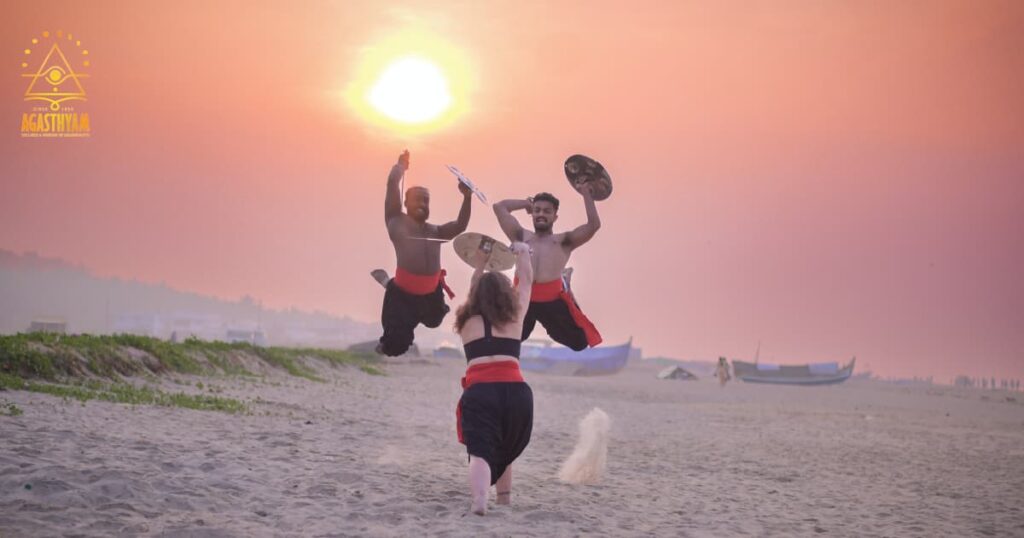
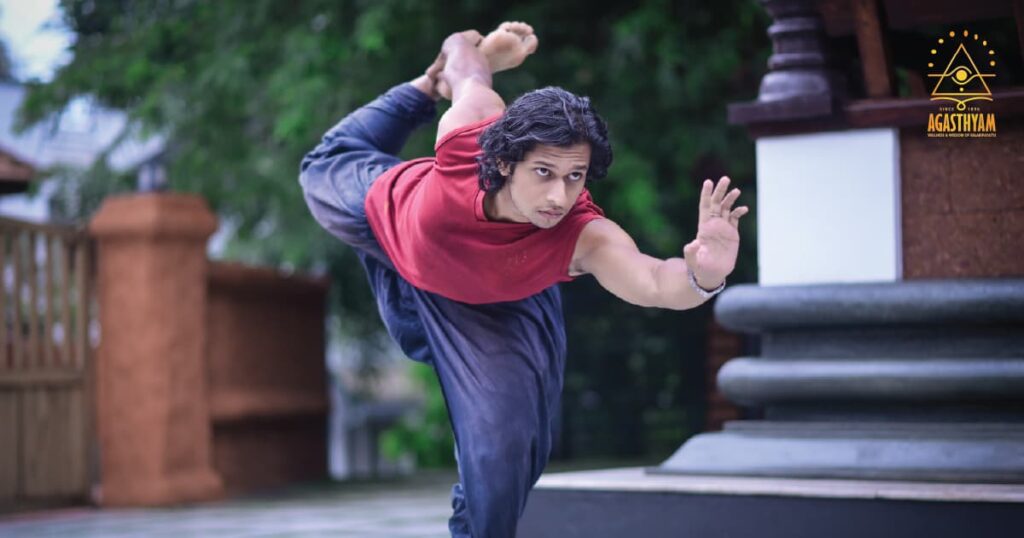
Kalari constantly challenges balance by moving through stances, shifting weight, changing direction, and landing from jumps. All of this develops proprioception—our awareness of where the body is in space.
Strength without balance is incomplete, and speed without control is dangerous. Through structured Kalaripayattu training, students slowly learn how to move without unnecessary tension.
6. Core Strength Through Movement
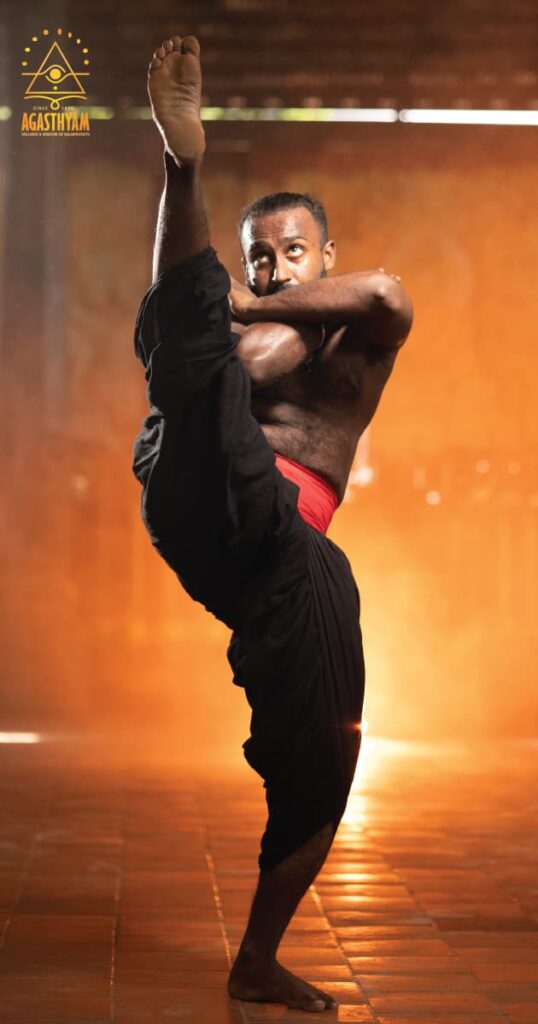
People often think core training means hundreds of abdominal crunches. But the core is the vital centre connecting the upper and lower body.
In Kalari, almost every movement requires the centre to stabilise and transfer force. When you strike, power begins from the ground and travels through the legs, hips, and torso. When you kick or turn, the core controls the movement. This is real core training, making the centre capable of controlling dynamic movement rather than just looking strong.
7. Kalari Trains the Mind Along With the Body
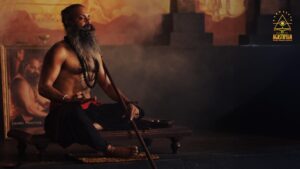
This is perhaps the most important distinction. Kalaripayattu does not train only muscles; it trains attention.
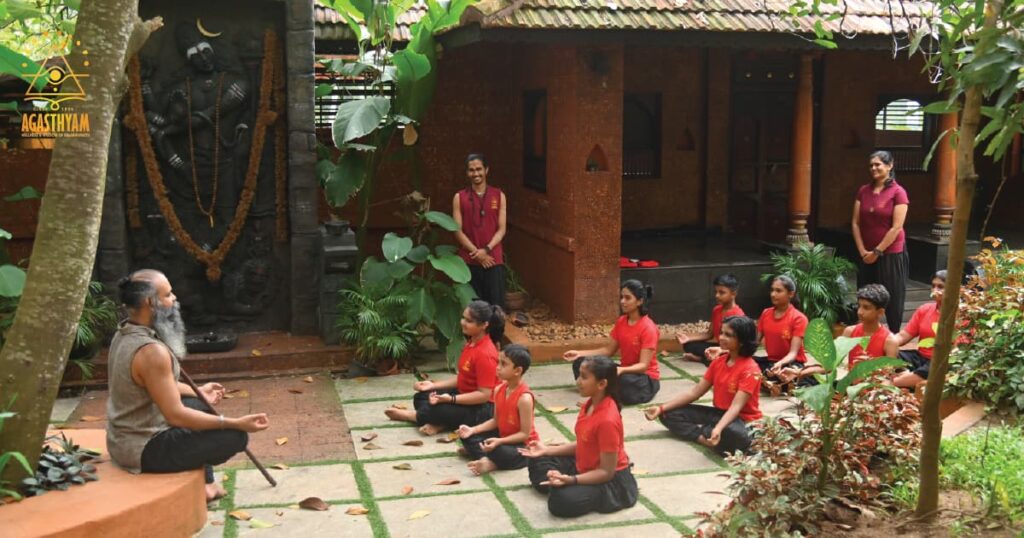
A student must remember movements, listen to the teacher, coordinate breath with action, and maintain awareness even when tired. This acts as a powerful antidote to modern digital distraction. For that period of practice, the student must be fully present.
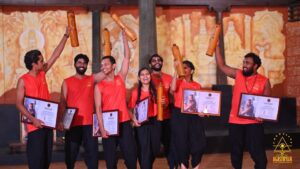
As a Kalaripayattu Gurukkal, I see this daily at Agasthyam Kalari, where students discover that Kalari is a practice of self-regulation and mental discipline.
A Solution for the Modern Lifestyle
Today, our biggest health challenge is not overwork, but inactivity. We sit more, move less, and spend hours in front of screens.
The solution does not have to be complicated. The body simply needs to bend, stretch, squat, rotate, balance, strengthen, and breathe consistently. This is where the ancient Kalari offers a powerful modern relevance.
Through our work at Agasthyam Kalaripayattu school Kerala, we have explored how these movements serve today’s human being. Whether you are looking for kalaripayattu training in Kerala, a professional Kerala kalaripayattu teacher training, or a comprehensive kalaripayattu course in India designed for Kalaripayattu international students wanting to study Kalaripayattu abroad in India, the foundation remains the same: move, train, and understand the body.
You do not always need a weight in your hand to become stronger. Sometimes, you only need to learn how to control the weight of your own body.
That is one of the enduring gifts of the Indian martial art tradition.
Gurukkal S. Mahesh